
The Thrill of Uncertainty
The allure of casino gaming often lies in the thrill of uncertainty. Players are drawn to the unpredictable nature of gambling where each spin of a slot machine or flip of a card can lead to a life-changing win or a disappointing loss. This unpredictability stimulates the brain's reward system, releasing dopamine and creating feelings of excitement. As a result, many individuals find themselves playing repeatedly, chasing that exhilarating feeling that comes with risking their money for a chance at a ncaab betting site significant payout.

Furthermore, the concept of 'near misses' plays a crucial role in maintaining engagement. When players come close to winning but ultimately don’t, it can increase their motivation to continue playing. This psychological phenomenon feeds into the belief that they are 'due' for a win, which can lead to prolonged gaming sessions and increased spending.
The Social Aspect of Gambling
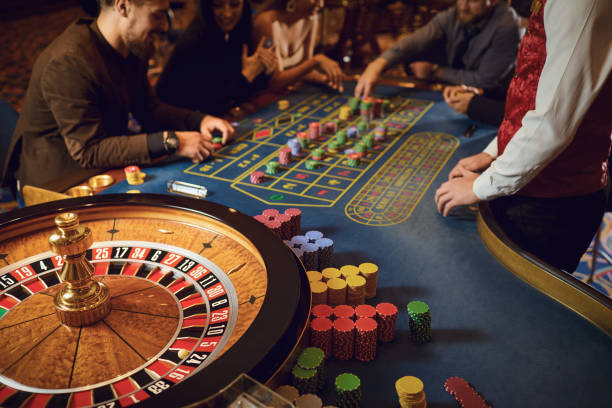
Casino gaming is frequently a social activity, providing an opportunity for players to connect with friends and strangers alike. The vibrant atmosphere of a casino often fosters interaction, whether it’s cheering together at a table or striking up conversations by the slot machines. This social element can enhance the overall experience, making the act of gambling more enjoyable and enticing.
Beyond mere entertainment, the social connections formed in casinos can create a sense of belonging. For many, frequent visits to a casino can fulfill a vital social need, allowing individuals to escape from the stresses of daily life and immerse themselves in a community where they share common interests. This social bonding can contribute to habitual gaming as players return, not only for the games but also for the camaraderie. Unknown relationships can flourish in these settings.
Emotional Escapism
Many individuals turn to casino gaming as a form of emotional escapism. In moments of stress or personal challenges, the excitement and distraction provided by gaming can temporarily alleviate negative emotions. The immersive nature of casino environments often serves as a refuge from reality, allowing players to temporarily forget their troubles.
Moreover, the act of playing can be incredibly therapeutic for some. Engaging in a game can provide a sense of control and agency that may be lacking in other areas of life. For those facing difficult situations, the chance to influence outcomes at a gaming table can be empowering, making them feel more in control of their circumstances.
Addiction and Compulsion
While many people gamble for enjoyment, the psychology behind casino gaming can lead to problematic behaviors for some individuals. The thrill of winning can create a cycle of reinforcement, wherein the more they play, the more they crave the excitement. This cycle can lead to gambling addiction, where the desire to win overshadows the potential risks and consequences.
Understanding the psychological triggers behind this compulsion is crucial for prevention and recovery. Factors such as personal history, mental health, and social environments can all influence gambling behavior. Addressing these factors through awareness and support systems can help individuals manage their gaming habits more responsibly.
Conclusion and Website Insight
This exploration of the psychology behind casino gaming reveals multifaceted reasons why individuals engage in this activity. From the thrill of uncertainty and social interactions to emotional escapism and the risk of addiction, the motivations are complex and deeply rooted in human psychology.
Our website serves as a resource to delve further into these concepts, offering insights and information surrounding gaming behavior. While some content may currently be inaccessible, we strive to provide valuable tools that can help individuals navigate their relationship with casino gaming, ensuring a balanced approach to this captivating pastime.