
The Role of Risk Perception in Gambling
Understanding risk perception is vital for developing successful casino strategies. Players often exhibit a unique relationship with risk, which can significantly influence their decision-making processes. Individuals may underestimate the odds of losing, leading to significant financial consequences. The thrill of potentially winning can override rational thought, pushing players to engage more deeply in new canadian casinos and gambling activities.
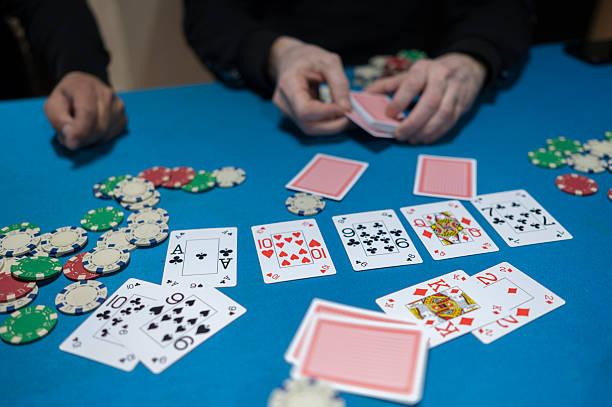
This interplay between excitement and perception of danger creates a psychological environment where players feel compelled to chase losses or capitalize on winnings. Successful casino strategies often leverage this understanding by encouraging players to maintain a balance between risk and reward, promoting a more logical approach to gambling.
The Power of Emotion in Betting Decisions
Emotions play a crucial role in shaping gambling behaviors. Players are often driven by feelings such as excitement, frustration, or hope, which can impact their betting choices. For instance, a player on a winning streak may feel invincible and increase their bets, while someone who has recently experienced losses might feel despondent, leading to poorer decision-making. Recognizing these emotional triggers is essential for creating effective strategies.
Successful gamblers tend to develop a heightened awareness of their emotional states. They implement techniques to manage their emotions, such as setting loss limits or taking breaks to regain composure. By controlling emotional impulses, players can create more sound betting strategies, ultimately enhancing their chances of success.
The Influence of Cognitive Biases in Gambling
Cognitive biases significantly affect how players approach gambling. Common biases, such as the illusion of control or gambler's fallacy, can distort a player's understanding of their chances of winning. The illusion of control leads players to believe they have more influence over outcomes than they actually do, while gambler's fallacy compels them to think that past events will influence future results. These biases can result in flawed strategies that overlook statistical realities.
To counteract these biases, successful gamblers often focus on educating themselves about the odds and probabilities involved in different games. By grounding their strategies in factual data rather than cognitive distortions, they are better equipped to make informed decisions, thus improving their overall performance in casinos.
The Importance of Strategy and Planning
Effective gambling strategies are built on careful planning and a clear understanding of the games being played. Players who approach gambling with a strategic mindset are more likely to assess their options critically and adapt their tactics as needed. This foresight helps mitigate impulsive betting behaviors that can lead to losses. Additionally, players who take the time to study game mechanics often uncover patterns and optimal strategies that can enhance their chances of winning.
Successful casino strategies often incorporate a balance of mathematical principles and psychological insights. This holistic approach allows players to maximize their advantages while minimizing emotional pitfalls. By continuously reviewing and adjusting their strategies, gamblers can stay ahead in the ever-evolving landscape of casino gaming.

Conclusion: Exploring the Interplay of Psychology and Strategy
In conclusion, the intersection of psychology and casino strategy is a dynamic field that underscores the importance of understanding human behavior in gambling. Players who grasp the psychological influences on their decisions can create more effective strategies by balancing emotion, risk, and cognitive discrepancies. Engaging with these elements not only enhances the gambling experience but also promotes responsible play.
Ultimately, as the online gambling environment continues to evolve, awareness of psychological factors becomes increasingly critical. Players can benefit from resources and insights that deepen their understanding of these dynamics, leading to more rewarding gambling experiences. In light of this exploration, it is essential to remain educated and adaptable in the world of casino gaming.